Where to Spend and Where to Save When Building a New Home
When you’re building a new home, there will almost always be a point when the wish list and the budget stop agreeing with each other.
The kitchen gets upgraded. The glazing quote arrives. You fall in love with a particular floor. Then suddenly you’re looking at the budget wondering where you can pull things back.
The answer isn’t simply to choose cheaper versions of everything.
A better approach is to decide which elements will fundamentally affect the quality of the home and which things can be simplified, changed or upgraded later.
Here are some of the areas we think are worth considering.
1. Spend on the design
This might sound predictable coming from architects, but the decisions made before construction begins can have a much greater impact on your home than many of the finishes you’ll choose later.
Good design can make a smaller footprint work harder, position rooms to make better use of light, reduce wasted circulation and create stronger connections between spaces.
It can also help identify where your budget will make the biggest difference.
You can change a kitchen in ten years.
Changing the position of the kitchen, the shape of the house or the way it sits on the site is considerably harder.
Get the fundamentals right first.
2. Spend on the things that are difficult to change
When budgets need to be prioritised, think about permanence.
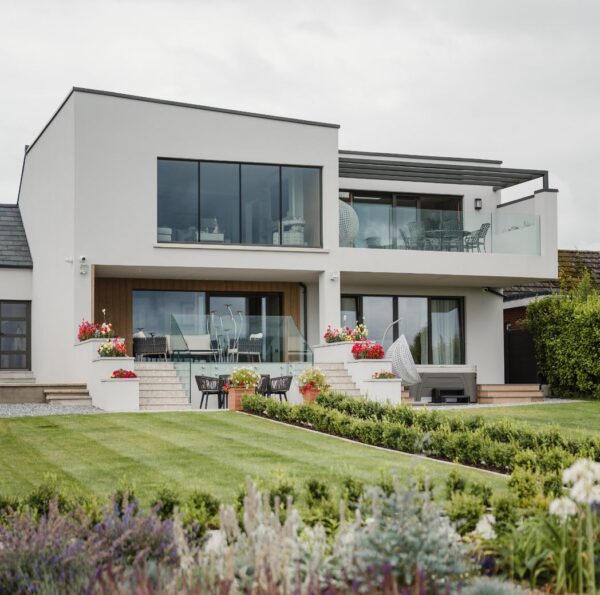
Structure, insulation, windows, external materials and the fundamental layout of the house aren’t things you’ll want to revisit a few years after moving in.
These are usually areas where making considered decisions at the beginning pays off.
By comparison, paint colours, furniture, decorative lighting and many internal finishes can evolve over time.
A useful question to ask is:
Could we reasonably change this in five years?
If the answer is no, it’s probably worth thinking particularly carefully about it now.
3. Be strategic with glazing
Beautiful glazing can completely transform a space.
But more glass isn’t automatically better.
Rather than putting large expanses of glazing everywhere, think about where it will have the greatest impact.
Frame an important view. Bring morning light into the kitchen. Connect the main living space with the garden. Position a window where it creates a moment at the end of a hallway.
One beautifully positioned window can sometimes add more to a home than an entire wall of glass in the wrong place.
This is an area where design can often achieve more than simply spending more.
4. Spend where you spend your time
Your budget should reflect the way you actually live.
For many families, the kitchen and main living spaces are used every single day, so investing more heavily there can make sense.
For someone who works from home, a well-designed office might be equally important.
If you love entertaining, the relationship between kitchen, dining, living and outdoor spaces may be a priority.
Don’t spend money on something simply because it’s considered a standard feature of an expensive home.
Spend it on the parts of the house that will make your everyday life better.
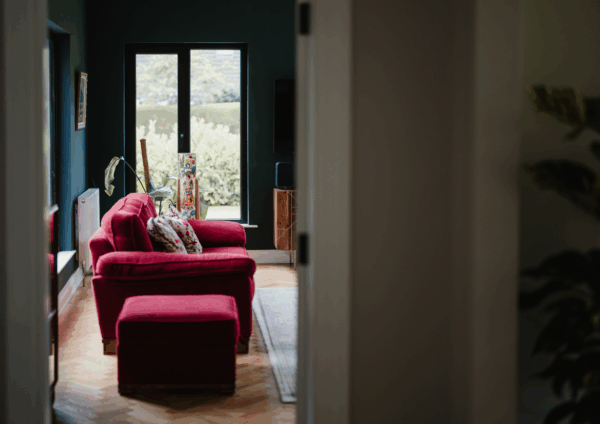
Contemporary renovation in Hillsborough
5. Save on things you can upgrade later
Not everything needs to be perfect on moving day.
Decorative light fittings can be replaced.
Rooms can be redecorated.
Furniture can be collected gradually.
Some landscaping can develop over several years.
Even certain elements of joinery can sometimes be added later if they’re allowed for properly during the design.
Giving yourself permission to finish a home gradually can take considerable pressure off the initial budget.
It can also result in a house that feels more personal because it has evolved rather than being completely furnished in one go.
6. Don’t automatically spend more on the kitchen
The kitchen is often one of the largest individual purchases in a new home.
It’s also an area where budgets can escalate very quickly.
Rather than starting with a particular brand or price point, concentrate first on the layout.
Does it work?
Is there enough storage?
Where will appliances sit?
Can someone unload the dishwasher without blocking the main circulation route?
Would a pantry or utility reduce the amount of cabinetry needed in the main kitchen?
A well-planned kitchen with a restrained specification can work far better than an expensive kitchen with a poor layout.
7. Spend on good lighting design, not necessarily expensive lights
Lighting has an enormous influence on how a home feels.
But good lighting design isn’t the same thing as filling every ceiling with spotlights or buying expensive decorative fittings.
Think about layers.
General lighting, task lighting, lamps, wall lights and subtle architectural lighting can work together to create atmosphere.
And plan it early.
Knowing where furniture, artwork, kitchen worktops and dining tables are likely to sit makes it much easier to position lighting and electrical points properly before walls are closed.
8. Save by simplifying
One of the most effective ways to control cost can also improve the architecture.
Simplifying the form of the building, reducing unnecessary corners, rationalising window sizes or limiting the number of different materials can all help.
Simple doesn’t have to mean boring.
In fact, simple architecture relies on proportion, material and detail, which can often produce a much stronger result.
Spend where something adds value to the design.
Simplify where it doesn’t.
9. Don’t forget the outside
It’s very easy to spend the entire budget getting the house finished and leave nothing for the site around it.
But the approach to the house, driveway, patios, boundaries and planting all contribute to how the finished home feels.
That doesn’t mean everything needs to be completed immediately.
Landscaping is an area that can often develop over time.
But having an overall plan from the beginning means the decisions you make during construction won’t make that future work unnecessarily difficult or expensive.
The best budget isn’t necessarily the biggest one
Some of the most successful homes aren’t the ones where the most money was spent.
They’re the ones where the money was spent deliberately.
Invest in the things that are permanent.
Prioritise the spaces that matter most to you.
Simplify where complexity adds little.
And don’t feel pressured to have every detail completely finished the day you move in.
A well-designed home should have room to evolve with you.
Planning a new home?
Budget is part of the design conversation from the very beginning at Slemish Design Studio Architects.
Understanding your priorities helps us decide where investment will make a meaningful difference and where a more restrained approach might actually result in better architecture.
The goal isn’t simply to spend less or spend more.
It’s to spend well.